Field Notes

Observations on light, texture, and the quiet details of ordinary spaces.

A personal journal by Lucien Veldhuizen.

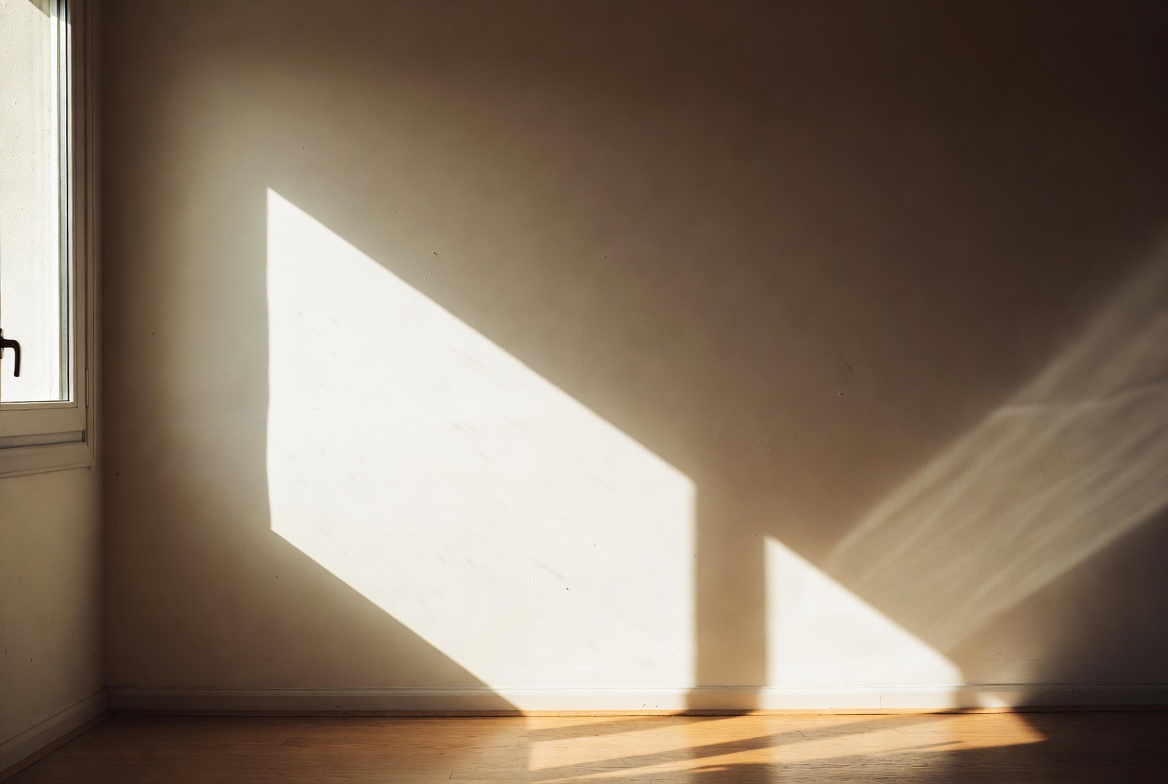
Soft morning light streaming through a window, casting long gentle shadows across a plain light wall and wooden floor in a quiet empty room. Warm neutral tones and serene atmosphere.

A Note on Looking

These pages record small acts of attention. They are not arguments or discoveries, only notes made while paying closer attention to how light falls, how materials age, and how ordinary rooms hold quiet visual interest throughout the day.

I write and photograph what I notice in the places I already inhabit — the corner where morning light hits the wall at a particular angle, the way linen holds its folds, the grain that emerges on a wooden surface when the sun is low. Nothing here is presented as advice or revelation. It is simply an ongoing practice of looking and recording.

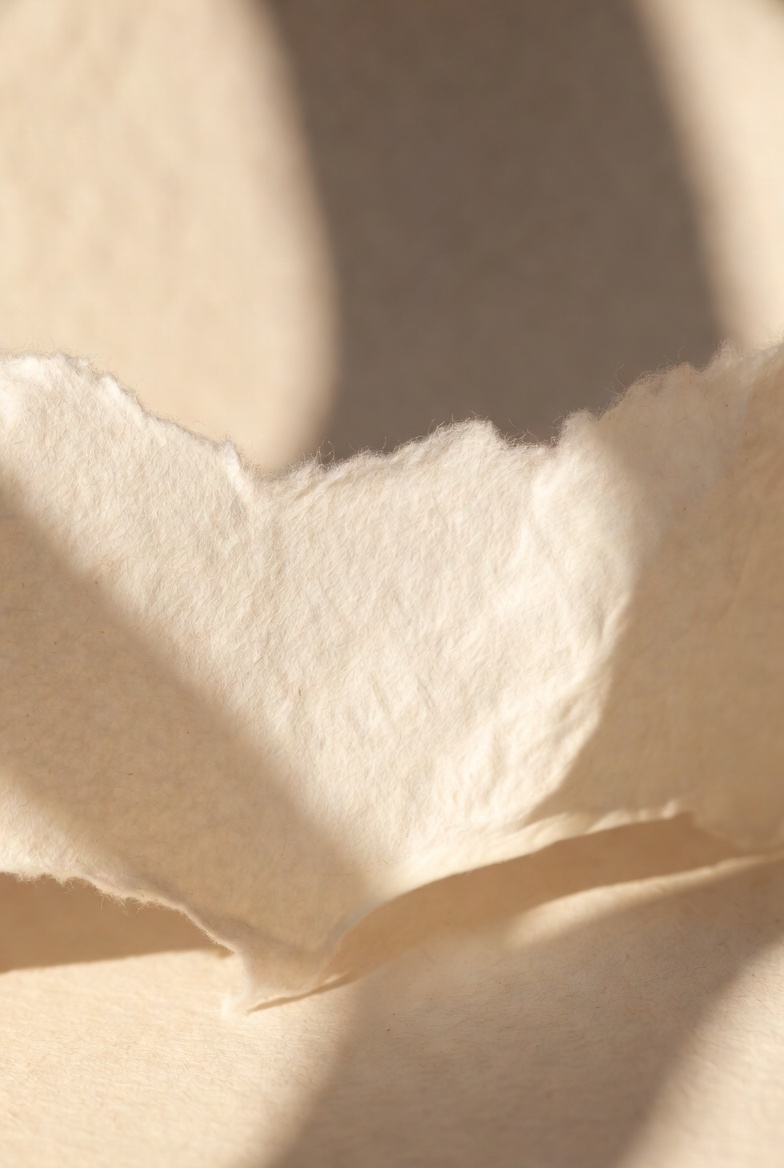
Extreme close-up of handmade paper texture catching soft natural sidelight. Visible fibers and delicate surface details in warm neutral tones.

Recent Observations

The Geometry of Morning Light

In the first hour after sunrise the light enters at a low angle and draws long, precise rectangles across the floor. These shapes shift slowly as the sun rises, turning the empty room into a quiet clock. Watching them move is a way of measuring time without instruments.

Read the observation →
Texture as Quiet Language

The surface of worn wood, the raised grain where light catches it, the slight roughness of plaster that has been painted many times — these textures speak without words. They record use, weather, and the passage of hands over years in a way that smooth new surfaces never can.

Read the observation →

Windows as Simple Frames

A window is not only a source of light but a frame that organizes what lies beyond it. The rectangle of sky or street it offers changes character with the weather and the hour. Paying attention to this simple rectangle reveals how much of our visual world is already composed for us by architecture.

Read the observation →

The Weight of Linen Folds

When linen is left to rest it holds the memory of how it was folded or draped. The creases are not flaws but records of use. Light moving across these folds reveals their depth and softness in a way that flat fabric never shows.

Read the observation →

Shadow as Material

Shadows are not absences of light but positive forms that have their own edges, density, and movement. In a quiet room the shadow cast by a window frame can become as interesting as the frame itself, especially when it stretches and softens over the course of an afternoon.

Read the observation →

Ordinary Surfaces at Rest

A wooden table that has been in the same place for years develops a particular patina where light and use have touched it most. These small differences in color and texture are easy to miss until one stops and looks with the intention of noticing them.

Read the observation →

The Notebook on the Sill

An open notebook left near a window catches light differently on each page. The blank paper becomes a surface that records the quality of the light at that moment. Returning to the same notebook at different hours shows how much the simplest materials are changed by their surroundings.

Read the observation →

In the Light: Notes on Paying Attention

There is a particular kind of quiet that arrives when one decides, for a few minutes, to look at nothing in particular and everything at once. The corner where the wall meets the floor, the way dust motes drift in a beam of light, the almost imperceptible shift in color on a white surface as the sun moves — these are not dramatic events, yet they reward sustained attention.

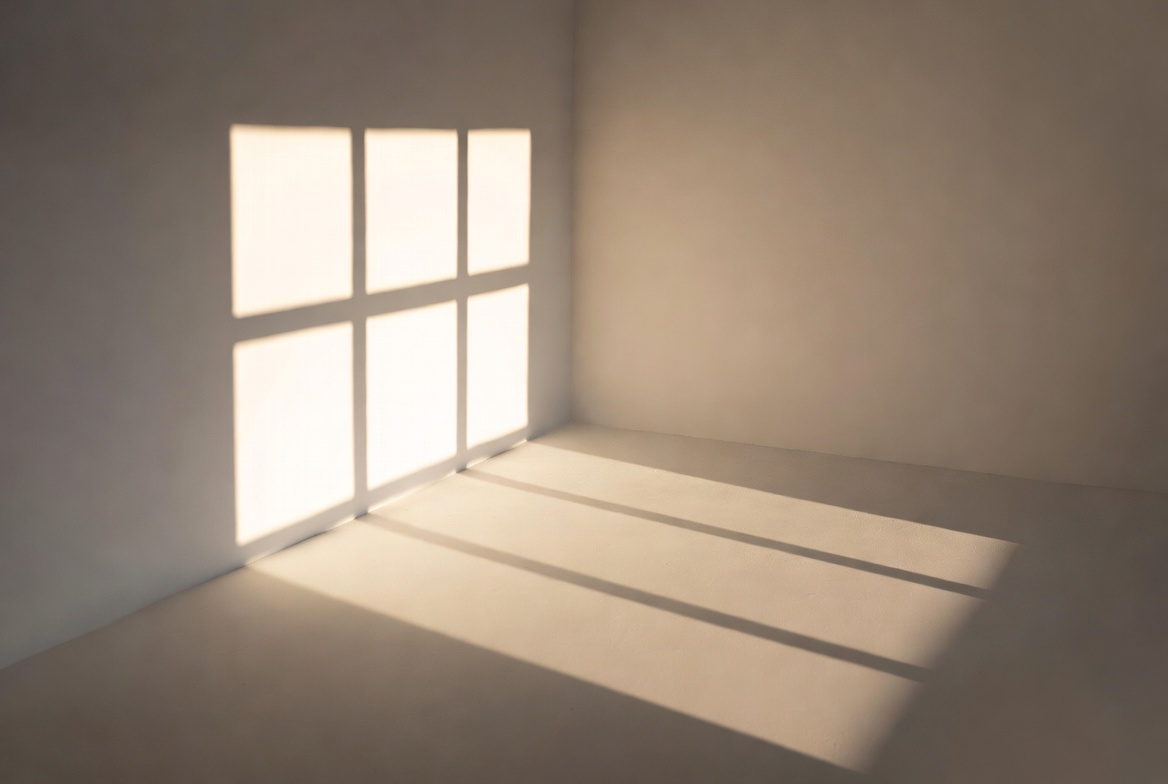
Gentle light and shadow patterns from a window falling across a plain floor and wall in a minimal room. Clean lines and soft gradients in serene neutral tones.

I have found that keeping a small notebook near a window or on a table encourages this kind of looking. Writing a single sentence about what the light is doing at that moment, or how a familiar surface appears different today, turns an ordinary room into a place worth returning to with fresh eyes. The act of recording slows perception just enough for details to become visible.

These notes are not meant to accumulate into a grand theory. They are simply markers left along a path of attention. Over time they begin to form a private map of the visual character of the spaces one moves through daily. That map is never finished, and that is part of its value.

Common Questions

Why write about such ordinary things?

Because ordinary things are what we actually live among. They are always available and they change subtly with light and season. Paying attention to them requires no special equipment or travel.

Do you photograph the same places repeatedly?

Yes. Returning to the same corner or surface at different times of day reveals how much changes even when nothing has been moved. The repetition is the point.

Is there a larger purpose to these notes?

No larger purpose beyond the practice itself. The value lies in the looking and the recording, not in any conclusion drawn from them.

How do you choose what to record?

I record what catches my attention on a given day and feels worth remembering. Sometimes it is a strong shadow, sometimes a very quiet change in color on a wall. There is no system beyond sustained looking.

A Note in the Margin

If something here has prompted you to look more closely at your own surroundings, I would be glad to hear what you noticed. These pages are offered in the spirit of shared attention rather than instruction.

Send a note